Wednesday, January 12, 2011

Renovated Franja Hospital opened | slovenia.si

Renovated Franja Hospital opened

July 2010

The renovated Franja Hospital was opened at the end of May, mitigating at least in part the shock suffered on 18 September 2007 when it was practically destroyed by the great flood that turned the Pasica, the stream that flows past the hospital, into a raging torrent. The Franja Hospital is one of Slovenia's most remarkable historic monuments. In 2000 it was included on the Tentative List for possible inscription on the UNESCO World Heritage List.

The repair or reconstruction of equipment in the huts was carried out by Idrija Museum

Photo: Spletni portal mesta Idrija (http://www.idrija.ws/)

The costs of repairing the hospital, a project assumed by the Slovenian government in the immediate aftermath of the catastrophe in 2007, amounted to €2,375,000, which is actually slightly less than was originally envisaged and earmarked in the national budget. Estimates at the time suggested approximately €4.1 million worth of damage. The repairs did not only concern the main part of the monument represented by the reconstructed historic buildings and their equipment, but also included access to the hospital and regulation of the stream to ensure that a similar disaster will not happen again. The money was provided by the Ministry of Culture and the Ministry of the Environment and Spatial Planning. The repair or reconstruction of equipment in the huts was carried out by Idrija Museum on the basis of donations and its own resources. The work involved repairs to two original huts, the reconstruction of 11 completely destroyed huts, the restoration of 30 very badly damaged museum items and 80 items that had suffered less damage, and, above all, the acquisition and reconstruction of 650 other museum pieces and items of inventory. It should be pointed out that it was only possible to find and restore 225 of the more than 800 original items, with the result that the majority of pieces in the museum are no longer original. Fortunately, however, the contents of the hospital had been recorded and catalogued down to the last detail, thanks to the outstanding work carried out here by museum staff in the past, which has now paid dividends.

Among the best equipped clandestine partisan hospitals during the Second World War

The partisan hospital, which is named after Dr Franja Bojc Bidovec, operated during the Second World War, from 1943 to 1945. It was built to treat the wounded and seriously ill in the area covered by the 9th Corps of the Slovenian partisan army. While it was open it treated over 1,000 wounded soldiers and other patients, and in the course of almost two years its location was neither discovered by the enemy nor betrayed, as happened in the case of some other partisan hospitals.

From: http://www.slovenia.si

Thursday, September 23, 2010

A glance at Vietnamese food in Ho Chi Minh City - Saigon

"Ho Chi Minh City is a fantastic destination for the independent traveller! An explosion on the senses with the flavours of the Pho, the wafting smells of fried squid and the symphony of thousands of motorbikes!" said saigonhotel-link.

Enjoying specifically tropical climate with just two seasons - rainy and dry, and with its tourist attractions such as the Notre Dame Cathedral, the City Zoo, the War Museum, and many shopping malls, Saigon is surely a wonderful must-come-to-enjoy destination.

This city, also, is a place where Vietnamese foods varying from the northern to the final southern pole of Vietnam gather. As the biggest commercial center, and the most hustling and bustling city of Vietnam, Ho Chi Minh City has been warmly welcoming people from all other provinces coming to set their own business. And, on the way, those people brought along their local culture and especially, their local specialties with their own recipes. They then opened many restaurants, food stalls, or small booths in markets to introduce and serve their local foods - this is why a variety of Vietnamese foods can be easily found in just one place. To pamper southern customers' tastes, these providers adjusted their cooking recipes, which created a more abundant character of Vietnamese eating and drinking.

Check out Saigon Restaurants for more information!

Tuesday, September 14, 2010

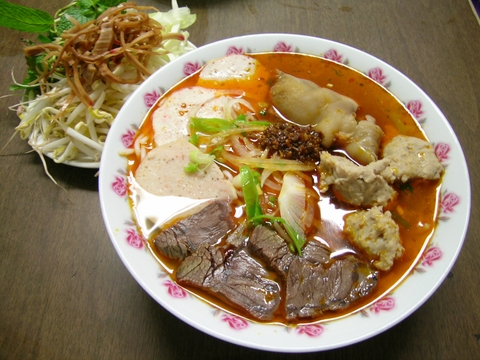
Bún Bò Huế – spicy noodle soup


Speaking of Vietnamese noodle soups, Bun Bo Hue– a specialty formerly originating in Hue – central Vietnam, must not be out of its list. It may be called spicy beef noodle soup (as Wikipedia) in English. The mix of Beef bones, fermented shrimp paste, lemongrass, grilled chopped shrimp, and dried chilies creates a wonderful harmonious flavor recalled in mind anytime mentioning about Hue.
For those touring Hue this is a must-eat that cannot be missed! Bun Bo is now served in restaurants around this royal city.
Nowadays in Ho Chi Minh City, Bun Bo Hue is also served in many restaurants from top-end in luxurious malls to budget in the alley. A dish that can be eaten anything during a day – for breakfast, lunch, dinner, or even super! If you are wandering even along a street or an alley, you may meet some Bun Bo restaurants.
There is a special point that Hue food is different because of the fusion of dishes designed by poverty-stricken peasants and the sumptous opulence of the Imperial Court (Source: http://www.hue-hotel.com).

A trip to Phu Quoc – an unforgettable memory

Listening to my friends saying about their trip to Phu Quoc last month, I really got jealous of them and this dreamy place is going to be my must-come destination this year.

But, at this time, let’s have a look at some of Phu Quoc magnificent landscapes through the photos below.

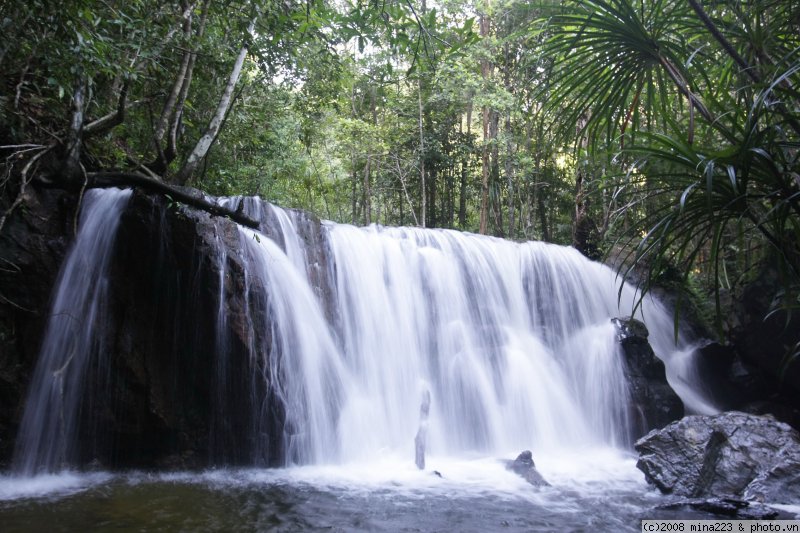
Suoi Tranh – Work-of-art Fall

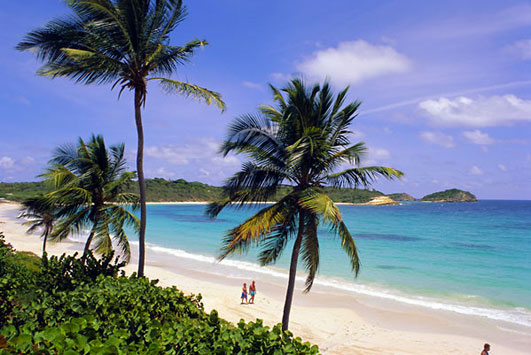
White-sand beach:

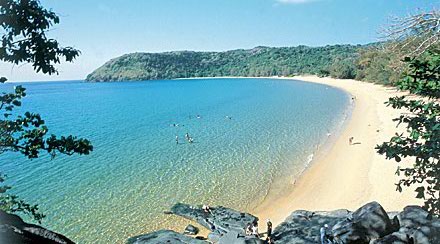
Crystal-clear water:

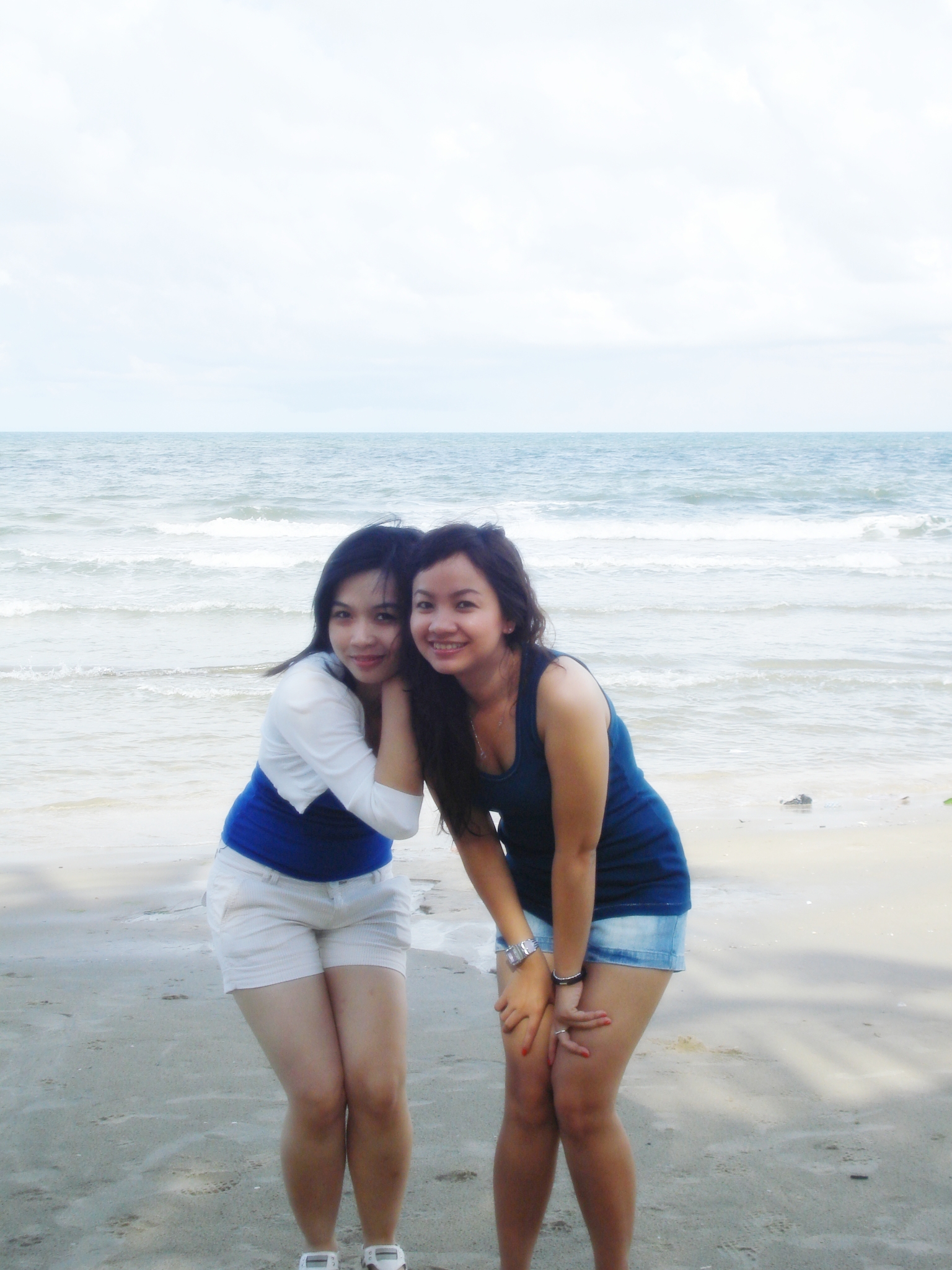
Here is my friends’ photo in Phu Quoc:


You can see how exciting the trip is through more of their photos on their private blog.

A brief introduction: Covering 1,320 square kilometres, and with a population of about 70,000 people, Phu Quoc is the largest southern island in Vietnam. Phu Quoc beaches boast a dreamy world in which you can really rest on white sands, enjoy sunbathing or soak your feet down into the crystal-clear warm sea water.

For more information, visit http://www.hotels-phuquoc.com/

Monday, September 13, 2010

A trip to Vientiane!


Set on a bend in the Mekong River, Laos' capital city Vientiane is by Southeast Asian standards a rather laid back town. It is replete with aging French colonial buildings, Chinese shophouses and Buddhist temples.

A little outside the city centre is the country's most important national monument, the Pha That Luang, which symbolizes both Lao sovereignty as well as its Buddhist foundation, and is the site of the full moon temple festival in November.

As Laos' biggest city, Vientiane has the widest selection of restaurants, busiest nightlife as well as its best shopping. See the
Vientiane City Guide and pages for more detailed information and to book accommodation in Vientiane.

A strange dream!

There is a saying that dreaming is a way by which people express their wishes inside their mind. This might be right to me because I had a dream surfing on the canoe, boating to a wild island, and last, but not least, taking a lot of photos of flora and fauna last night.

I, although, did enjoy a trip to Nha Trang last July but it seemed to be not fully exciting. All I need is a backpacking trip with my closed friends. We are all looking forward to October when my friend's class and mine, too, come to end and we can enjoy a few days off. At that time we will be able to make our dream of backpacking that has been heating our heart since last year.

My dear buddies, hope you (and I) are doing everything well so that we can have a really relaxing vacation next month!